 Listicle
7 Nationally Accredited Automotive Training Courses
Last Updated: October 25, 2026
Quick Summary
Nationally accredited automotive training courses in Australia are delivered by Registered Training Organisations (RTOs) that meet strict quality standards set by industry bodies and government regulators. These courses follow the AUR Training Package and ensure your qualification is recognised across the country and by employers in the automotive sector.
- Certificate III in Light Vehicle Mechanical Technology is the foundational qualification for automotive mechanics at AQF Level 3
- Full-time study typically takes 12-18 months while part-time options allow you to earn and build experience simultaneously
- EV maintenance training is becoming essential as the automotive industry shifts toward electric vehicles
- RTOs must comply with Standards for Registered Training Organisations (RTO 2015) with trainers holding relevant industry qualifications
Table of Contents
- What Makes Automotive Training Courses Nationally Accredited
- Swann College: Hands-On Automotive Training with Industry Partnerships
- TIA Automotive: Current Technologies and Practical Skills
- Australian Trade Training College: Full-Time and Part-Time Pathways
- Austra College: Workshop-Based Automotive Qualifications
- Certificate III in Light Vehicle Mechanical Technology: Core Automotive Qualification
- Automotive Course Duration and Study Options
- Electric Vehicle Maintenance Training: Preparing for Modern Automotive
- Frequently Asked Questions
What Makes Automotive Training Courses Nationally Accredited
Nationally accredited automotive training courses in Australia are delivered by Registered Training Organisations (RTOs) that meet strict quality standards set by industry bodies and government regulators. These courses follow the AUR Training Package, which defines the competencies and units of competency required for automotive work. Accreditation ensures that your qualification is recognised across the country and by employers in the automotive sector.
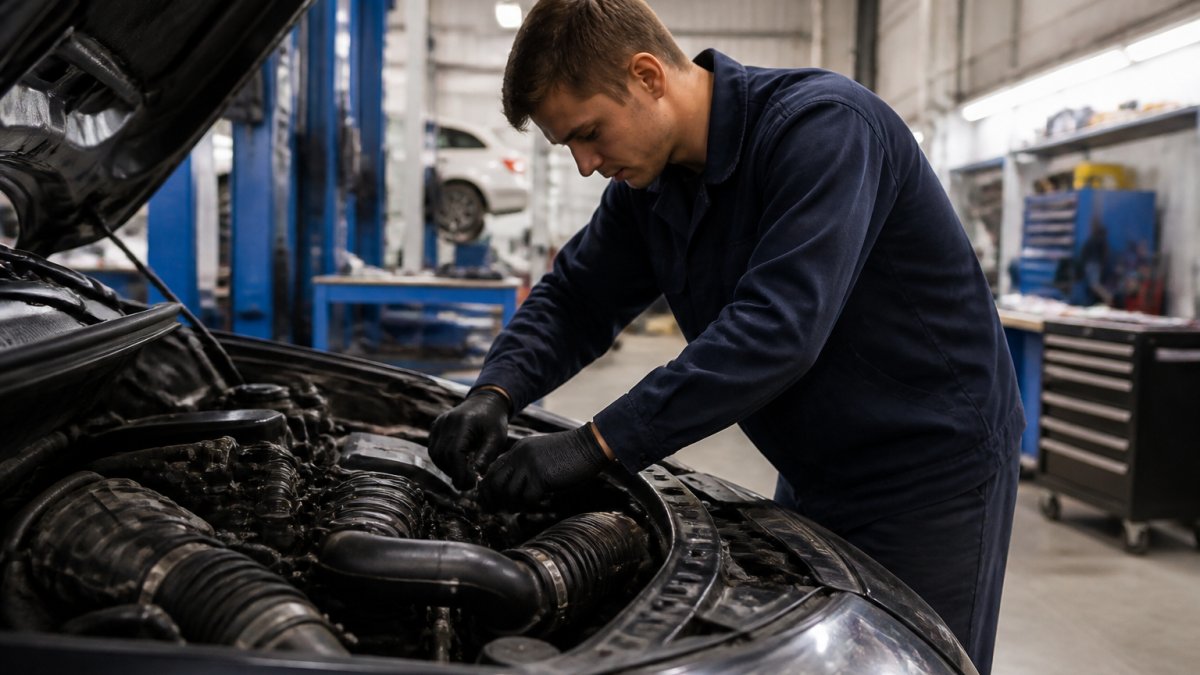
The key difference between accredited and non-accredited training is portability. When you complete a nationally accredited course, you can work anywhere in Australia with the same credential. This matters if you plan to move states, seek employment with larger dealerships, or progress to further qualifications. Employers trust accredited qualifications because they know exactly what skills you've learned and can verify your competency against industry standards.
RTOs delivering nationally accredited automotive training courses must comply with the Standards for Registered Training Organisations (RTO 2015). This means trainers hold relevant industry qualifications, facilities meet safety standards, and assessment is rigorous and fair. For students considering a career in automotive repair, electrical work, or mechanical technology, accreditation is non-negotiable.
Swann College: Hands-On Automotive Training with Industry Partnerships
Swann College is a Registered Training Organisation delivering nationally accredited automotive training courses across Australia. With campuses in Adelaide and Sydney, we offer a professional learning environment that mirrors real-world workshop settings. Our curriculum is developed in association with the Institute of Automotive Mechanical Engineers (IAME), ensuring training stays current with modern practices and emerging technologies.
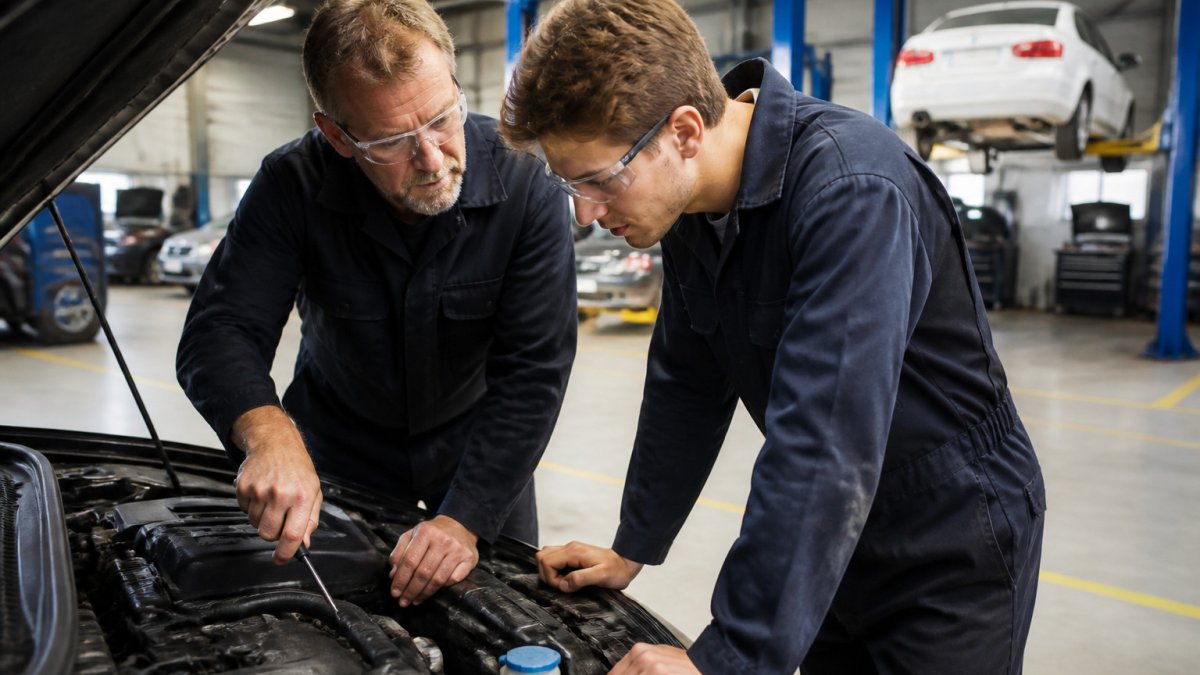
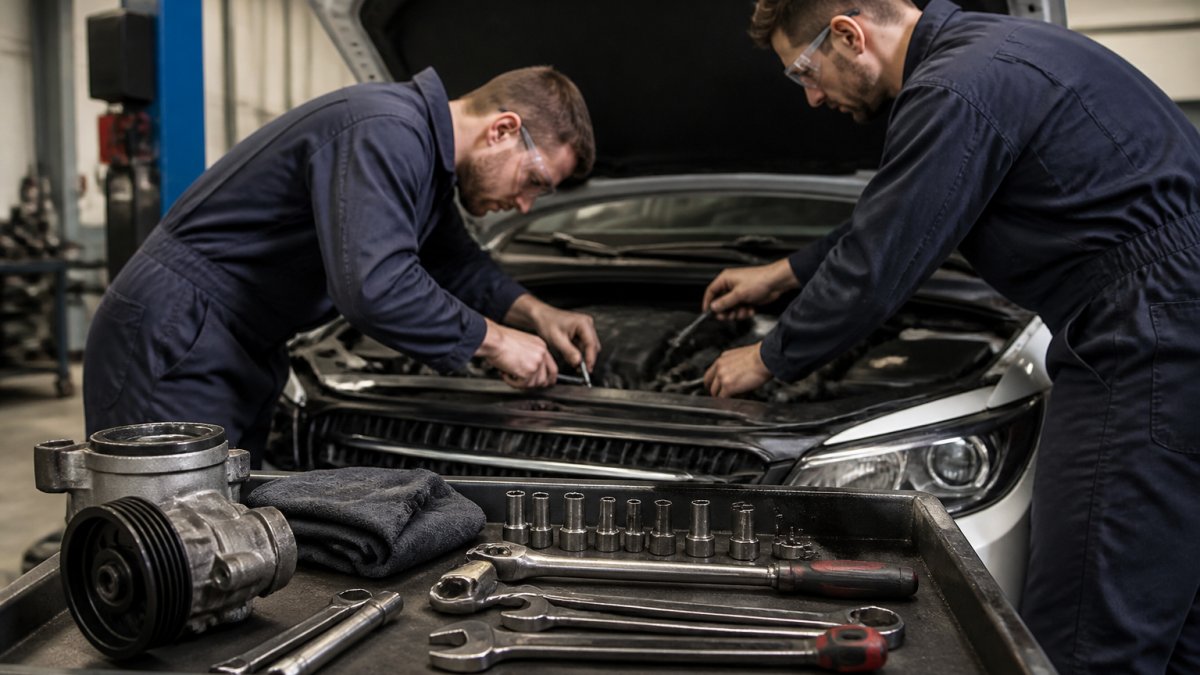
What sets our approach apart is the emphasis on practical, hands-on learning. Rather than relying on theory alone, students work on real vehicles in a fully equipped workshop. This matters because automotive work demands both technical knowledge and the muscle memory that comes only from repetition. You'll spend time diagnosing faults, replacing components, and troubleshooting problems under the guidance of experienced trainers who have worked in the industry themselves.
Our trainers bring real-world experience to the classroom. They've spent years in workshops, dealerships, and service centres, so they understand what employers actually need. This isn't abstract instruction, it's practical guidance grounded in the day-to-day reality of automotive work. You can browse all domestic automotive courses offered by Swann College to explore our full training portfolio and find the qualification that fits your career goals.
For international students seeking a pathway to skilled migration, our nationally accredited qualifications carry weight with employers and migration agents. We support both domestic and international students with the guidance and practical experience needed to launch a successful career in the automotive trade.
TIA Automotive: Current Technologies and Practical Skills
Their nationally accredited automotive training courses are structured to give learners both breadth and depth. You'll cover core mechanical competencies while also building knowledge in specialised areas. This balance helps you develop a foundation you can build on throughout your career, whether you stay in general repair or move into specialisation later.
Australian Trade Training College: Full-Time and Part-Time Pathways
The nationally accredited automotive training courses at ATTC are structured around real workplace competencies. You're not just learning theory; you're developing the skills employers need. The longer timeframe of part-time study doesn't mean lower standards, it means more time to practise, consolidate learning, and apply what you've learned in your own workplace.
Austra College: Workshop-Based Automotive Qualifications
Workshop training is non-negotiable for automotive work. You need to develop feel for tools, understand how components fit together, and build troubleshooting instincts that only come from working on real vehicles. Austra College's focus on this practical element makes it a strong choice if you learn best by doing rather than listening to lectures.
Certificate III in Light Vehicle Mechanical Technology: Core Automotive Qualification
The Certificate III in Light Vehicle Mechanical Technology is the foundational qualification for automotive mechanics in Australia. It covers the core competencies required to diagnose, repair, and service light vehicles, cars, utes, and small vans. If you're starting a career in automotive repair, this is typically where you begin.
This qualification sits at AQF Level 3. The curriculum covers engine systems, braking, steering, suspension, electrical systems, and diagnostic techniques. You'll learn both the theory behind how vehicles work and the practical skills needed to repair them.
The Certificate III is widely recognised by employers across Australia. When you complete this qualification, you have a portable credential that proves you've met national standards for light vehicle mechanical work. You can learn details about the Certificate III in Light Vehicle Mechanical Technology course to understand the full scope of this qualification and how it fits your career pathway.
Many technicians use the Certificate III as a stepping stone to further qualifications. Once you've completed it, you can progress to Certificate IV in Automotive Technology or Diploma-level qualifications in specialised areas. This progression pathway means your initial qualification opens doors to ongoing professional development.
| Qualification | AQF Level | Typical Duration | Focus Area |
|---|---|---|---|
| Certificate III in Light Vehicle Mechanical Technology | Level 3 | 12-18 months | Core automotive repair and servicing |
| Certificate IV in Automotive Technology | Level 4 | 12-18 months | Advanced diagnostics and specialisation |
| Diploma of Automotive Technology | Level 5 | 18-24 months | Leadership and complex systems |
Automotive Course Duration and Study Options
The length of nationally accredited automotive training courses varies depending on the qualification level and study mode.
Full-time study suits people who can commit to training without other work commitments. You'll progress faster, complete modules while knowledge is fresh, and enter the workforce sooner. Part-time study works better if you're already employed, need to maintain income, or have other responsibilities. Many apprentices combine part-time formal training with on-the-job experience, which accelerates learning because you apply classroom knowledge immediately.
You can understand the broader career pathway and how these courses fit into becoming a mechanic in Australia to see how different qualifications connect and progress.
The choice between full-time and part-time depends on your circumstances. Explore how different qualifications connect and progress in the broader career pathway to becoming a mechanic in Australia. Full-time is faster but requires financial support. Part-time takes longer but lets you earn and build experience while studying. Both pathways lead to the same nationally accredited qualification, the difference is pace, not quality.
Electric Vehicle Maintenance Training: Preparing for Modern Automotive
Electric vehicle (EV) maintenance training is becoming essential as more vehicles shift away from combustion engines. This training covers EV-specific systems: battery management, electric motors, high-voltage safety, charging systems, and diagnostic techniques unique to electric powertrains. If you're training now, EV knowledge makes you more competitive and future-proofs your career.
EV training is quite different from traditional automotive work. You're dealing with high-voltage systems that require different safety protocols. Battery diagnostics involve different tools and approaches than engine diagnostics. Thermal management systems in EVs work differently from cooling systems in petrol cars. This isn't something you can pick up on the job, you need formal training to work safely and competently.
Many RTOs now offer EV-specific skill sets that complement your core automotive qualification. You can see how EV training integrates with broader automotive qualifications. This modular approach lets you build specialised knowledge on top of your core competencies, making you valuable to workshops transitioning to electric vehicle service.
The automotive industry is shifting toward electric vehicles faster than many people realise. Dealerships and independent workshops are already struggling to find technicians with EV expertise. Training in this area now gives you a genuine competitive advantage, employers actively seek technicians who can service their growing EV fleets.
Choosing the right nationally accredited automotive training courses in Australia is about matching your circumstances to a provider that delivers both quality and flexibility. Swann College combines hands-on workshop training with industry partnerships and experienced trainers who understand what employers need. Our association with the Institute of Automotive Mechanical Engineers ensures our curriculum stays current with modern practices. Get started with Swann College and develop the practical skills that launch a successful career in the automotive trade.
Frequently Asked Questions
What does nationally accredited automotive training mean?
Nationally accredited automotive training means the course meets standards set by the Australian Skills Quality Authority and delivers qualifications recognised across the country. Courses follow the AUR Training Package, which defines the competencies and knowledge required for automotive roles. This accreditation ensures employers value your qualification whether you work in one state or move elsewhere, and it qualifies you for industry roles and potential visa sponsorship pathways.
How long does a Certificate III in Light Vehicle Mechanical Technology take?
A Certificate III in Light Vehicle Mechanical Technology's duration varies based on whether you study full-time, part-time, or through an apprenticeship arrangement, and depends on the training provider's structure and your prior experience.
Are automotive courses available for electric vehicle maintenance training?
Yes, several nationally accredited providers now offer electric vehicle maintenance training as part of their curriculum or as specialist short courses. This training covers EV-specific systems, battery technology, and safety protocols. As electric vehicles become more common on the road, EV training is increasingly essential for modern automotive technicians and is often available as an add-on to traditional automotive qualifications.
Can I study automotive training part-time while working full-time?
Many nationally accredited automotive training providers offer part-time and evening study options specifically for working mechanics and technicians. Part-time study extends the course duration depending on the qualification level and provider structure. Specialist short courses in areas like automotive air conditioning are often available in flexible formats to suit working professionals.
How do I know if an automotive training provider is legitimate and nationally recognised?
Check whether the provider is a Registered Training Organisation (RTO) listed on the Australian Skills Quality Authority register. Look for accreditation from industry bodies like the Institute of Automotive Mechanical Engineers, and verify that courses follow the AUR Training Package. Legitimate providers will clearly state their RTO registration number and the qualifications they deliver, and they will have partnerships with industry groups to ensure curriculum relevance.